The Cute Cat Embroidery Design: A Business-First Review
Over the years, I have tested hundreds of machine embroidery design files, pushing them through production runs for small businesses, boutiques, and startups. A single design can make or break a branded merchandise launch. When I first reviewed Cute Cat, I immediately recognized its potential for small business merch, but I also knew it required a discerning eye to unlock its full commercial value. This review comes from decades behind the machine, evaluating this design specifically for uniform programs, embroidered patches, and product branding.
A Closer Look: Cute Cat’s Visual Personality
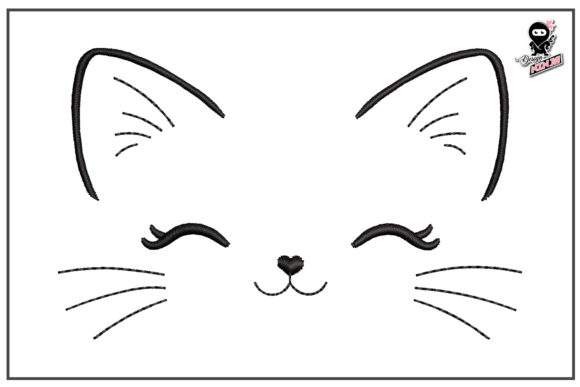
The name Cute Cat immediately sets an expectation of a friendly, approachable, and playful aesthetic. In the world of commercial embroidery, this is a powerful asset. A design that feels warm and inviting builds instant rapport with customers. This is not a corporate, sterile logo; it is a design that suggests personality, care, and a human touch. For small businesses, this translates directly into brand identity. Whether it adorns a baker’s apron or a pet boutique’s tote bag, Cute Cat communicates that your business is approachable and values connection. The visual personality leans heavily into handmade product charm, which is a major advantage for Etsy sellers and boutique brands looking to stand out.
Where Cute Cat Works Best in Your Business
Based on the design characteristics implied by the title, Cute Cat is exceptionally versatile for several commercial applications. I always advise clients to think beyond the single garment and envision a full merchandise ecosystem.
Staff Uniforms and Apron Embroidery
For staff-driven businesses, uniforms are moving billboards. Cute Cat is an ideal candidate for apron embroidery in a cat café, bakery, florist, or pet supply store. Placed on the chest or pocket of a work shirt or apron, it instantly humanizes the staff and creates a memorable visual hook. A well-executed machine embroidery design like this adds a layer of professionalism that screen printing often lacks. It signals that the business invests in quality custom apparel.
Embroidered Patches and Tote Bag Design
Embroidered patches are a booming category, and Cute Cat is perfectly suited for patch production. A sturdy, well-edged patch can be used as a standalone product or sewn onto backpacks, caps, and jackets. For tote bag design, this motif shines. Whether it is a giveaway item for a retail event or a mainstay product for a boutique, the design adds significant perceived value to a simple canvas bag. It transforms a utilitarian carry-all into a branded asset.
Etsy, Handmade Products, and Digital Files
For makers and crafters, Cute Cat is a valuable addition to your suite of design assets. If you are selling digital embroidery file bundles, this design fits perfectly into a “cute animals” collection. For those creating handmade product lines—like branded onesies, baby bibs, or kitchen linens—this design offers consistency. It can become the signature motif that customers recognize across your entire shop.
Technical Considerations for Production Success
Any experienced embroiderer knows that a design’s on-screen appeal is only half the battle. The real test is under the needle and after the first wash. Here is my technical breakdown of what to expect from a design like Cute Cat.
Stitch Density and Fabric Texture
Without seeing the exact file, I evaluate a design by its name and category. “Cute” designs often rely on smooth fills and clean outlines. The key metric here is stitch density. A density that is too high will make the design stiff and hard, especially on fabric texture like structured twill or denim. I recommend testing Cute Cat on your target fabric first. A medium density (typically between 4.0 and 5.0 points) works best for most commercial embroidery runs. You must pair it with the correct stabilizer—tear-away for stable wovens, cut-away for knits and stretchy fabrics. If you are producing an embroidered patch, a water-soluble topping will keep the satin stitches crisp.
Scaling and Hoop Size
One of the most common pitfalls I see is scaling a design without respecting its structural limits. Cute Cat may have intricate details that look great at 3 inches but turn into a messy blob at 1.5 inches. Before you commit to a production run, test the design at your intended size. Check your hoop size limitations. A small chest logo for a uniform requires a different hoop size than a large back patch for a jacket. The design’s integrity at smaller scales is a true test of quality digitizing. If the eyes, ears, or whiskers become unclear, you will need a simplified version for smaller placements like cap embroidery.
Thread Colors and Contrast
Color selection is where Cute Cat makes or breaks the brand identity. A design with strong, contrasting thread colors will read well from a distance. For a light-colored cat on a dark uniform, ensure there is an opaque underlay to prevent the fabric from showing through. Conversely, a dark cat on a light background requires careful attention to the density of the fill to avoid a “gapping” effect. I always advise my clients to create a printable mockup showing the design on their actual uniform color. This avoids costly mistakes and ensures the finished product aligns with their vision.
Brand Identity and Customer Trust
In the competitive world of small business, consistency builds trust. Using the same high-quality machine embroidery design across staff uniforms, product labels, and customer merch creates a cohesive visual story. When a customer receives a tote bag or an embroidered patch as a gift, they perceive a higher level of care and quality. This elevates the finished product from a simple trinket to a valued keepsake. I have seen firsthand how a well-branded uniform, featuring a design like Cute Cat, increases customer engagement and recognition. It tells the customer, “This business pays attention to details.”
My Designer Checklist for Using Cute Cat
Before you put Cute Cat into production for your small business, run through this practical checklist I give to all my clients:
- Black and White Test: Stitch out the design in a single color first. This reveals any issues with pull compensation, underlay, and outline registration without wasting expensive thread.
- Small Patch Scale Test: Shrink the design to 2 inches and stitch it out. If the details hold, it is ready for caps and small labels. If not, keep it large.
- Fabric and Stabilizer Pairing: Match the stabilizer to your fabric texture. A heavy canvas tote bag needs a different approach than a delicate polo shirt.
- Contrast Verification: Lay your chosen thread colors on your actual fabric. View it from 10 feet away. Does it pop? If not, adjust the palette.
- Licensing Check: This is non-negotiable. Confirm that your digital embroidery file purchase includes full commercial embroidery rights for the items you intend to sell, whether it is custom apparel or physical embroidered patches.
- Printable Mockup: Create a printable mockup for client approval. This is especially important for Etsy sellers or businesses offering custom apparel.
- Wash Test: Run the finished product through a home washing cycle. Check for puckering, loosening stitches, or shrinkage around the design.
The Final Verdict on Cute Cat
Cute Cat is more than just a charming motif; it is a viable commercial asset for any small business looking to build a warm, approachable brand identity. Its strength lies in its versatility—spanning apron embroidery, cap embroidery, tote bag design, and classic embroidered patch formats. However, like any machine embroidery design, its success hinges on proper preparation. Invest the time in testing stitch density, thread colors, and hoop size compatibility. When produced with care, Cute Cat transforms standard merchandise into a memorable brand experience, building customer trust and loyalty with every stitch. I confidently recommend it for businesses seeking a friendly, professional edge in their merchandise lineup.