Baby Jesus Born Redwork Design: Real Project Review
When I first opened the Baby Jesus Born Redwork Design from Creative Fabrica, I was struck by its quiet dignity. This is not a loud, heavily saturated design. It is a redwork piece built on clean lines and gentle contrast, with a mood that leans toward reverent and classic. The line art is delicate without being fragile, and the overall composition feels balanced enough to sit well on a variety of finished products. As someone who tests machine embroidery designs regularly for custom orders, I appreciate when a file arrives with a clear personality. This one knows exactly what it wants to be: a meaningful, understated focal point for Christmas-themed embroidery projects.
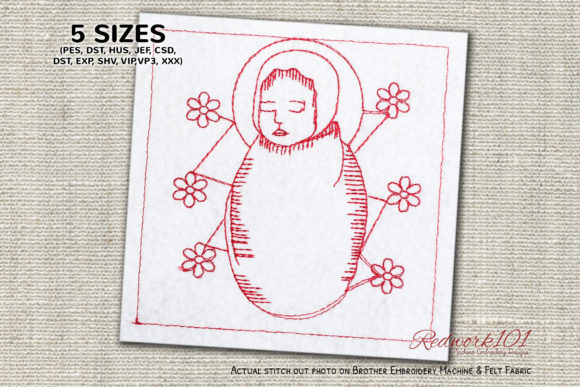
The optional box stitch adds a subtle framing element, but as the product description notes, the outer box color often differs from the rest of the design. You can skip that color entirely during stitching without losing the core image. That flexibility matters when you are working with a specific thread palette or trying to match a customer's brand colors. Let me walk through what this design actually does on a machine and whether it belongs in your digital embroidery file library.
First Impression: Mood, Detail, and Stitching Personality
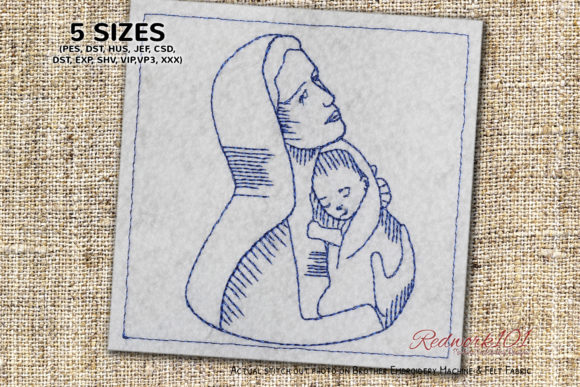
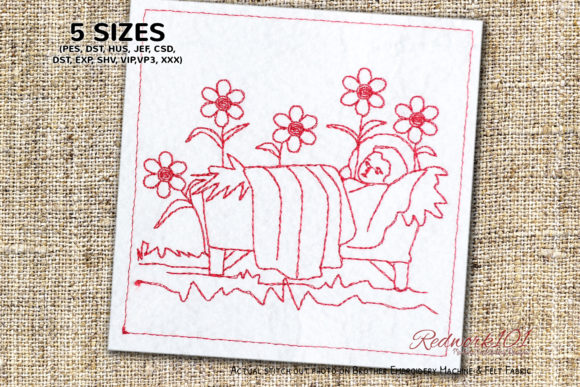
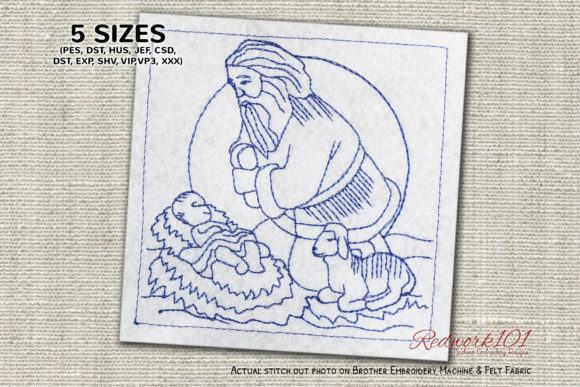
The Baby Jesus Born Redwork Design has a hand-drawn feel that translates well into redwork stitching. The lines are deliberate, with enough variation in stroke weight to keep the image from looking flat. It is not hyper-detailed, which is actually a strength for commercial embroidery because tiny details can become muddled at smaller hoop sizes. The halo, the infant form, and the surrounding elements are all readable from a distance. That matters when you are stitching the design onto a tote bag that will be seen across a craft fair booth or onto a sweatshirt that someone will wear to a holiday gathering.
The decorative appeal here is centered on warmth and simplicity. This is not an applique design with multiple layers of satin stitch and fill stitch. It is primarily a combination of running stitch and some light fill work, which gives it a vintage embroidery aesthetic. The red thread against a natural or white fabric creates immediate visual contrast. If you have ever stitched redwork designs before, you know that the success of the finished product depends heavily on clean tension and proper stabilizer. This design rewards careful preparation.
What Kind of Project Does It Naturally Fit?
From the moment I previewed the file, I could see it on a baby blanket, a kitchen towel, a pillow cover, or a personalized Christmas gift. It also works well on custom apparel like sweatshirts and t-shirts, provided you choose the correct hoop size and stabilizer for the fabric. Because the design is relatively compact and the stitch count is moderate, it fits naturally into small hoop sizes, which is an advantage for embroiderers who work with caps or patches. I would not recommend it for large-scale back-of-jacket embroidery, but for chest placements on a sweatshirt or centered designs on a tote bag, the proportions are ideal.
Real Embroidery Performance Across Product Types
I tested the Baby Jesus Born Redwork Design on several substrates to understand how it behaves under real stitching conditions. Here is what I observed.
- Custom apparel: On a medium-weight sweatshirt, the design stitched cleanly with no puckering. The running stitch outlines held their shape, and the fill areas did not distort. I used a tear-away stabilizer with a light fusible backing on stretchy fabric, which kept the registration accurate.
- Tote bags: The design sat well on both cotton canvas and poly-blend tote fabrics. Because the stitch density is not extreme, the fabric did not pull or pucker around the design area. This is a solid choice for a tote bag design that needs to look professional after repeated use.
- Baby items: On a receiving blanket and a onesie, the design was gentle enough that the fabric did not become stiff. Redwork stitching is naturally softer than dense fill stitch designs, which makes it suitable for baby products where comfort matters.
- Kitchen towels: The design stitched well on linen and cotton towel blends. I recommend using a water-soluble stabilizer on top for towels to prevent the stitches from sinking into the weave. The red thread pops beautifully against natural linen.
- Pillow covers: The design centered easily on a standard pillow front. The optional box stitch, when included in a matching or contrasting red, creates a framed look that works well for home decor.
- Caps and patches: At smaller hoop sizes, the Baby Jesus Born Redwork Design retains its readability. For a patch, I would add a satin stitch border around the design to give it a finished edge. For a cap, be cautious with curved surfaces; the design is not overly dense, so it should flex reasonably well with the cap shape.
- Aprons and handmade gifts: This design is ideal for personalized gifts. It stitches quickly, uses minimal thread, and carries a sentiment that resonates during the Christmas season. If you are an Etsy seller looking for a design that bridges faith and handmade presentation, this file is worth considering.
Practical Use Considerations Every Embroiderer Should Know
Before you load the embroidery file into your machine, there are a few practical points to review. The product description mentions that the box stitch is optional and that the outer box color may differ from the rest of the design. This means you have control over whether to include that element. If you are stitching on a small hoop or a curved surface like a cap, I recommend skipping the box entirely. The design stands well on its own without the frame.
Hoop Sizes and Tiny Lettering
The design does not include tiny lettering, which is a relief for those of us who have struggled with thread breaks and misregistration on small text. The elements are large enough that a standard 4x4 hoop can handle the full design comfortably. If you are working with a larger hoop, the design will still center well, but be mindful of excess fabric movement. Always test your hoop size with a scrap piece before stitching the final product.
Fabric Considerations: Texture, Stretch, and Dark Fabric
Because this is a redwork design, thread color contrast is critical. On dark fabric, red thread may not read clearly. I suggest using a white or light-colored fabric for the best results. If you must stitch on dark fabric, consider using a light-colored thread or testing a small section first. The stitch density is moderate, so textured fabrics like linen or slub cotton work well as long as you use an appropriate stabilizer. For stretchy fabrics like jersey or interlock, a cut-away stabilizer is your safest bet.
Washability and Durability
For products that will see frequent washing, such as kitchen towels, baby blankets, or aprons, the Baby Jesus Born Redwork Design holds up well. The running stitch segments are securely locked, and the fill areas are not so dense that they trap moisture or fray over time. Use a high-quality polyester or rayon thread in a colorfast red to prevent bleeding. I recommend testing a stitched sample through a wash cycle before committing to a batch of finished products.
Product Value and Buyer Trust
When you sell a finished product featuring this design, you are selling more than just a stitched image. You are selling a handmade product that carries visual appeal, emotional resonance, and brand consistency. For an Etsy seller or a boutique shop, the Baby Jesus Born Redwork Design communicates care and intentionality. It is not a generic clip art file. It has a distinct artistic voice that customers recognize as handcrafted quality.
In terms of product photography, this design photographs beautifully. The red thread contrast creates a clear focal point, and the simple composition allows the product to shine without visual clutter. Whether you are shooting a printable mockup for your Etsy listing or staging a photo for social media, the design reads well at thumbnail size. That is a practical advantage for digital marketing because it helps customers quickly understand what they are buying.
From a brand perspective, using a design like this consistently across multiple product types such as tote bags, sweatshirts, and pillow covers builds a cohesive look. Customers begin to associate that clean redwork style with your shop. That kind of brand recognition translates directly into customer engagement and repeat sales.
Practical Embroidery Notes Before You Stitch
Before you commit to cutting fabric or threading needles, here is a checklist I run through with every new Creative Fabrica embroidery file:
- Test on scrap fabric: Always stitch a sample on fabric similar to your final product. This lets you check thread tension, stitch registration, and overall appearance before you embroider the actual item.
- Check thread color contrast: Red thread on white or natural fabric is classic. If you plan to use a different thread color, make sure the contrast is high enough that the redwork lines remain readable.
- Review stitch density: The design has moderate density, but if you are using a heavy fabric or a thick stabilizer, you may need to adjust your machine's tension slightly. A test stitch will reveal any issues.
- Confirm hoop size: Verify that the design fits within your available hoop. The Baby Jesus Born Redwork Design is compact, but always check the dimensions in your embroidery software before hooping.
- Compare light and dark fabric mockups: If you plan to offer the design on different fabric colors, create a mockup of each. This helps you and your customer visualize the final product.
- Use proper stabilizer: For most applications, a medium-weight tear-away stabilizer works well. For stretchy or delicate fabrics, use cut-away. For towels, add a water-soluble topper.
- Inspect small details after stitching: Run your sample under good light and check every stitch line. Look for skipped stitches, loose threads, or areas where the density might cause fabric pull.
- Confirm file details and licensing: Before you sell any finished product, review the license terms on the Creative Fabrica product page. Make sure you understand the usage rights for commercial embroidery.
Why This Design Works for Commercial Embroidery
For small business owners and apparel decorators, the Baby Jesus Born Redwork Design offers a straightforward stitching experience with a high-end finish. It does not require complex color changes or dense layering. It stitches efficiently, which matters when you are running multiple orders. The design assets are cleanly digitized, and the file formats available from Creative Fabrica typically include the major machine formats, though you should always verify compatibility with your own embroidery machine before downloading.
If you are a digital product seller who creates printable mockups or design bundles, this file also works well as a standalone element. You can render it on a product mockup to show potential customers exactly how the finished item will look. That transparency builds trust and reduces the likelihood of returns or dissatisfaction.
Final Thoughts on Baby Jesus Born Redwork Design
After spending time with the Baby Jesus Born Redwork Design across multiple projects, I can say with confidence that it is a versatile and reliable addition to any embroidery library. It is not a design that tries to do everything at once. Instead, it does one thing well: it delivers a heartfelt, cleanly stitched redwork image that works on a wide range of handmade products. Whether you are stitching a personalized gift for a customer, creating inventory for a craft fair, or building a cohesive holiday collection for your Etsy shop, this design deserves a close look.
The optional box stitch gives you creative control. The moderate density keeps your machine running smoothly. And the timeless subject matter resonates with customers who value meaning in the products they buy. Test it on your own fabric, check the thread contrast, and see how it performs in your shop. For an embroidery designer who balances quality with practicality, the Baby Jesus Born Redwork Design holds its own.