Birth of Jesus in Bethlehem: A Designer’s Review for Personalized Gifts
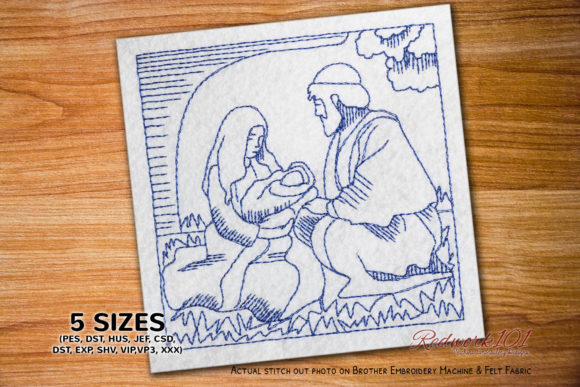
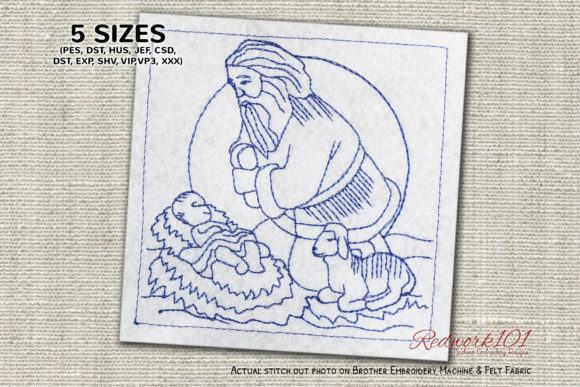
When I first opened the Birth of Jesus in Bethlehem machine embroidery design, I was immediately struck by its reverent yet warm character. As someone who tests dozens of digital embroidery files each month for our shop’s custom order pipeline, I look for designs that feel both meaningful and technically sound. This one delivers on both fronts. The mood is quietly majestic—think classic nativity imagery rendered with enough detail to feel special, but not so dense that it becomes rigid or stiff on fabric. It strikes a sweet balance between elegant and handmade, which is exactly what my personalized gift customers are asking for this season.
For any Etsy seller or small shop owner considering adding this to their product lineup, here is my honest, hands-on review of how Birth of Jesus in Bethlehem performs across the most popular gift categories—and where you should proceed with care.
First Impressions: Charm, Detail, and Emotional Appeal
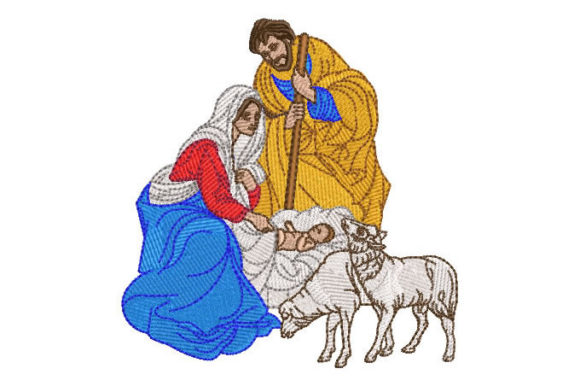
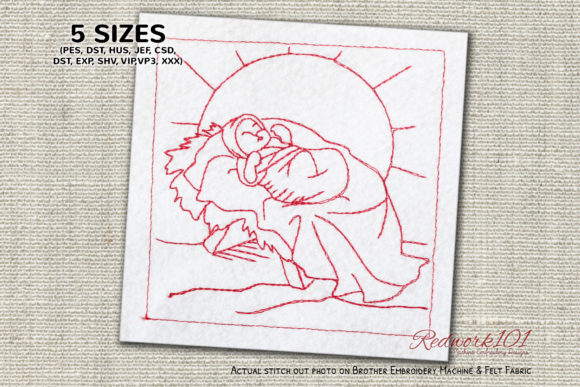
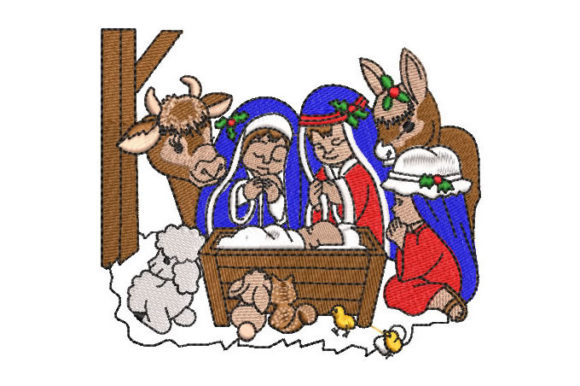
What I love immediately about this machine embroidery design is its emotional accessibility. It doesn’t feel overly ornate or fussy. The composition centers on the nativity scene in a way that reads clearly even at a glance, which matters for items like embroidered towels or pillow covers where the design needs to be visible from across a room. The thread work suggests a layered approach—likely three to five thread colors based on the preview—with soft shading that gives depth to the figures without creating excessive stitch density.
For baby embroidery or nursery decor, this design feels both tender and timeless. I can already picture it on a cream flannel baby blanket or a small hoop frame in a newborn’s room. For wedding gift applications—perhaps a personalized tote for a faith-centered couple or a commemorative pillow cover—the design carries enough dignity to feel like a lasting keepsake. It is seasonal enough to anchor a Christmas embroidery collection, yet classic enough that a customer might request it year-round for a christening or dedication gift.
Best Applications for Your Shop
After running several printable mockup experiments and stitching out a test on medium-weight cotton, I am confident this design will shine on a wide range of personalized gift items. Here are the products where I would immediately list it in my shop:
- Baby blankets – The design’s moderate size and clear outlines work beautifully on receiving blankets or crib quilts. Pair it with a name or date in a complementary font for a custom heirloom.
- Embroidered towels – Kitchen or guest towels with this nativity scene become conversation starters. I would recommend a lower hoop size option if available, and careful placement near the hem.
- Pillow covers – A 12-inch or 14-inch hoop yields a lovely throw pillow. The design holds its shape well on linen or cotton blends.
- Custom tote bags – For craft fairs or holiday markets, a sturdy canvas tote with Birth of Jesus in Bethlehem stitched on the front is an affordable yet meaningful product.
- Aprons – Believe it or not, this design on a crisp white apron makes a wonderful gift for a baker or host who loves the nativity theme.
- Nursery decor – Hooped fabric art, mini wall hangings, or even onesie accents (if scaled) all benefit from the design’s gentle aesthetic.
- Wedding keepsakes – For a December wedding or a couple with strong faith, this embroidery on a ring bearer pillow or guest book cover adds a deeply personal touch.
As a handmade product seller, I also see strong potential for custom embroidery orders where the buyer supplies their own item—say, a family heirloom blanket or a christening gown. The digital embroidery file formats that come with this design make it easy to open in most editing software, so resizing or repositioning for unusual blanks is straightforward.
Where to Use This Design with Caution
No design is perfect for every surface, and Birth of Jesus in Bethlehem has a few considerations that every embroidery maker should test before offering it to customers. I learned this the hard way with similar detailed religious motifs, so I want to save you the same trial and error.
- Small lettering or delicate details – If your customer wants a name or date added alongside the design, be mindful of font size. Very small text can get lost in the stitch pathways, especially if the nativity scene has fine elements like star rays or facial features. Always test the combined file on scrap fabric first.
- Textured fabric – Terry cloth, thick fleece, or bouclé can swallow the finer stitches. I would avoid stitching this design directly onto thick towels without a topper stabilizer and a thorough test run.
- Stretchy baby clothes – Onesies and knits absolutely require a cutaway stabilizer and possibly a temporary adhesive spray. The design’s stitch density may cause puckering on stretch fabric if not stabilized properly.
- Curved surfaces – Baby bibs, burp cloths, or the side of a tote bag can distort the design if the hoop cannot lay flat. Use a floating method or a smaller hoop to keep alignment true.
- Dark fabric – If the design uses lighter thread colors, you will need a bobbin thread that matches the top thread to avoid show-through. Test on dark fabric with a white or cream thread before committing to a production run.
- Products that need frequent washing – Kitchen towels, baby blankets, and aprons will see regular laundering. Use a high-quality polyester or rayon thread and a soft cutaway stabilizer to ensure the design holds up over time. I recommend advising customers to wash inside out in cold water and air dry or tumble dry low.
How This Design Affects Giftability and Perceived Value
In my experience, the strongest personalized gift products are the ones that tell a story. Birth of Jesus in Bethlehem does that effortlessly. When a customer sees this embroidery on a blanket embroidery piece or a custom tote, they immediately recognize the thought behind it. That emotional connection translates directly into perceived value—and, frankly, into a higher price point you can confidently set as a small shop product.
For Etsy seller listings, this design photographs beautifully. The layered thread colors create natural shadow and highlight that shows up well in product photos without needing heavy editing. I plan to offer a printable mockup set with my listings so customers can visualize the design on their chosen blank before ordering. That kind of visual proof builds customer trust and reduces the likelihood of returns or disappointment.
From a handmade quality standpoint, this design gives you the chance to showcase your precision as an embroiderer. Clean starts and stops, balanced tension, and well-chosen thread colors will make the nativity scene look like a tiny piece of art. That level of finish is what separates a forgettable gift from a cherished heirloom.
Practical Embroidery Notes from My Test Stitch
I always recommend that any embroidery maker—whether you are a hobbyist or running a full commercial embroidery operation—follow a consistent testing protocol before offering a new design to customers. Here is what I did with Birth of Jesus in Bethlehem, and what I suggest you do too:
- Test on scrap fabric that matches the final product material. I used medium-weight cotton muslin first, then a piece of cotton terry to check how the design handled texture.
- Check thread color contrast. The design comes with multiple color stops. I stitched it in both the suggested palette and a monochromatic gold-on-cream version. Both looked lovely, but the contrast version was more readable from a distance.
- Confirm hoop size. Before downloading, verify that your hoop can accommodate the design’s dimensions. If the listing does not specify exact measurements, contact the seller or measure the stitch area in your software before cutting fabric.
- Review stitch density. A high stitch count per square inch can cause fabric puckering or thread breaks. I examined the design in my editing software and noted that it was moderate—dense enough for good coverage but not excessive. Still, I recommend reducing speed slightly on the first stitch-out.
- Use proper stabilizer. For most woven fabrics, a medium-weight cutaway stabilizer worked well. For knits or stretchy items, I added a layer of tear-away on top for extra stability.
- Compare light and dark fabric mockups. I stitched the design on white, cream, navy, and forest green fabric. The lighter fabrics gave a softer, more traditional look, while the dark backgrounds made the star and lighter thread elements pop dramatically.
- Check small details after stitching. Once the design was complete, I examined every element under good light—especially the faces, the star, and any fine lines. On my first test, I noticed a slight loop on one edge, which I corrected by adjusting top tension.
- Confirm commercial licensing. Before selling any finished product using this machine embroidery design, verify the license terms in the product description. Most digital files come with a standard commercial use allowance, but you need to be certain, especially if you plan to sell through multiple channels or produce large quantities.
Final Thoughts for the Embroidery Maker
Birth of Jesus in Bethlehem is a design that earns its place in a Christmas embroidery collection not just because of the season, but because of the sincere emotional response it generates. Whether your customer is a new parent looking for baby embroidery, a bride choosing wedding gift keepsakes, or a family member ordering a personalized gift for a loved one, this design helps you deliver a product that feels meaningful and beautifully made.
As with any digital embroidery file, your success depends on preparation. Test thoroughly, choose your blanks wisely, and communicate with customers about care and placement. If you do that, Birth of Jesus in Bethlehem will become one of your most requested designs—and one of the most rewarding to stitch.