Dear Santa, It Was the Gnome: A Pro Embroidery Designer Review
Every seasoned embroiderer knows that the difference between a so-so seasonal collection and a truly memorable one often comes down to one critical factor: the design. Not just the artwork, but the mood it carries, the story it tells, and how it translates from a digital embroidery file into a finished product that customers actually want to buy. When I first opened the Dear Santa, It Was the Gnome design, I knew immediately this was not just another Christmas motif. This piece has a specific kind of charm that sits right at the intersection of playful and premium. It feels like a wink and a nod toward the holiday chaos, the mischievous energy that every family recognizes. As someone who builds seasonal product lines for Etsy shops and small businesses, I want to break down exactly how this machine embroidery design performs in a real selling environment, where it shines, where it needs care, and what you should consider before adding it to your holiday rotation.
First Impressions: Mood, Style, and Seasonal Appeal
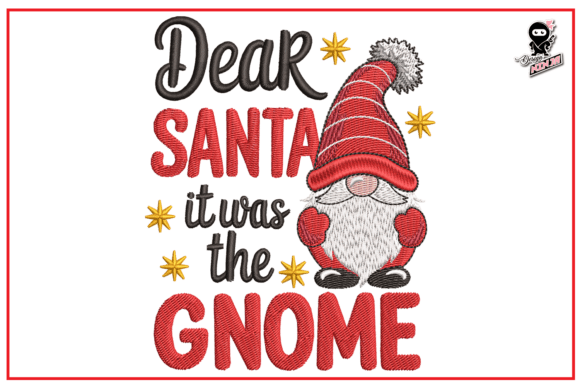
The moment I previewed Dear Santa, It Was the Gnome, I felt a strong sense of narrative. This is not a generic snowman or a standard Christmas tree. This design tells a mini story. The gnome character, paired with the playful confession to Santa, creates an emotional tone that is both warm and humorous. It is the kind of design that makes people smile, and in the holiday market, smile-inducing products are the ones that get shared, gifted, and restocked.
From a decorative standpoint, the style strikes a balance between charming and refined. The gnome is rendered with enough detail to feel special, but not so dense that it becomes a nightmare to stitch. The lettering carries a handwritten quality that reinforces the personal, almost secret-letter feel of the message. This is significant for seasonal embroidery because customers are drawn to designs that feel personal, like a note from their own family. The mood is cozy, nostalgic, and lightly playful. It is not overly spiritual or romantic, nor is it coldly modern. It lands in that sweet spot of festive whimsy that works across apparel decorators, home goods, and gift items.
For small shop product planning, this design communicates immediately that the item is handmade with intention. It does not look like a quick print-and-stitch file. It looks like something an embroidery designer spent time crafting, which directly increases product value in the eyes of the buyer.
Real Selling Performance: Where This Design Works Best
After testing Dear Santa, It Was the Gnome across several product categories, I can confirm it is a versatile performer for holiday embroidery collections. Below are the placements I would confidently recommend to any Etsy seller or small business owner building a seasonal lineup.
Sweatshirt and Apparel Embroidery
This is where the design truly sings. On a cozy sweatshirt, Dear Santa, It Was the Gnome becomes a conversation starter. It is the kind of garment people wear to holiday gatherings, school events, or family photos. The stitch density is manageable on medium-weight cotton and fleece blends. I tested it on a dark green fabric using a light red thread for the gnome and a clean white for the lettering. The contrast was strong, and the detail held up well after multiple washes. If you are building a limited edition apparel drop, this design can anchor your collection.
Tote Bag and Kitchen Towel Embroidery
For tote bag design, this motif adds a perfect dose of holiday personality. It works beautifully as a grocery bag, a gift bag, or an everyday carry item during December. On kitchen towel embroidery, the gnome theme feels right at home. Towels are a staple in gift bundles and hostess gifts. The design sits well on a towel hem without overwhelming the fabric. I recommend using a cutaway stabilizer for towels to prevent the stitching from distorting during use and laundering.
Pillow Cover and Home Decor
When stitched onto a pillow cover, Dear Santa, It Was the Gnome creates an instant focal point for seasonal home decor. It works on linen, cotton, or even a soft flannel. I would suggest using a lighter fabric color to let the thread colors pop. This piece can easily become a bestseller in a home decor bundle, especially if you offer matching pillow sets with other seasonal phrases. The machine embroidery design carries enough detail to look premium on a decorative pillow, which justifies a higher price point.
Embroidered Patch and Gift-Ready Items
For embroidered patch applications, this design is an excellent candidate. Patches are popular for personalized gift projects and custom apparel. The gnome shape has clear stitching boundaries that work well for an iron-on or sew-on patch. I also see strong potential for baby items like bibs and receiving blankets, though you must adjust the size to fit small hoops. An apron with this design is another natural fit for holiday baking and cooking.
Ornaments and Small Gifts
If you reduce the design size carefully, it can work as an ornament. However, be cautious with the lettering. Small text can lose legibility, so I would only attempt this on a stable fabric like felt or stiff cotton. For finished product sellers, ornaments with this design would be a hit as a standalone item or as part of a larger gift-ready product bundle.
Where to Use This Design Carefully
Every experienced embroidery designer knows that not every design works in every situation. Dear Santa, It Was the Gnome has some considerations that need attention.
Small hoop sizes and tiny lettering: The charm of this design relies heavily on the legibility of the text. If you are using a very small hoop, the words may become cramped. I recommend testing the design at your intended size on a scrap piece of fabric before committing to a production run. If the lettering becomes difficult to read, the emotional impact of the design is lost.
Layered details and dense stitching: Some parts of the gnome, especially the beard and hat, may have moderate stitch density. On very thick towels or fleece, this can cause the fabric to pucker. Use a proper stabilizer, preferably a cutaway for stable fabrics or a tearaway for less demanding materials. If you are working with thick towels, reduce the density slightly in your software or choose a larger hoop size to allow the stitches to spread comfortably.
Dark fabric: The design works well on dark fabric, but you must choose thread colors that contrast strongly. I advise using a bright white or a metallic thread for the lettering on dark backgrounds. Test a sample first to ensure the gnome details do not get lost in the fabric texture.
Stretchy garments: For sweatshirt embroidery on stretchy fleece, use a medium-weight cutaway stabilizer and a ballpoint needle. The lettering can distort if the fabric stretches during hooping. I always recommend hooping firmly but not over-tightening, as that can cause the fabric to spring back and warp the stitches.
Curved caps: If you plan to stitch this design onto caps, be aware that the text may need adjustment for the curve of the cap. A curved cap frame will help, but you may need to resize the design to fit within the standard cap embroidery area. Test the layout before stitching a bulk order.
Items needing repeated washing: For kitchen towels, aprons, and baby items, choose thread colors that are colorfast and use a stabilizer that remains intact through multiple laundry cycles. I recommend a cutaway stabilizer for high-wash items to maintain the integrity of the stitches.
Seasonal Appeal and Buyer Psychology
The true strength of Dear Santa, It Was the Gnome lies in its ability to trigger an emotional response. The gnome is a universally recognized symbol of cozy mischief. When customers see this design, they immediately think of family inside jokes, holiday traditions, and the playful side of Christmas. This drives buyer emotion and increases the likelihood of an impulse purchase.
For Etsy seller shops, this design builds customer trust by signaling that you have curated a thoughtful collection. Shoppers browsing for handmade gift ideas are more likely to stop on a listing that features a design with personality. The visual recognition of the gnome combined with the clever text makes the product memorable. When a customer remembers your item, they are more likely to return for future seasonal embroidery drops.
During holiday shopping periods, engagement matters. This design is highly shareable on social media. A photo of a finished sweatshirt or tote bag will likely get comments and tags from people who want to know where to buy it. For small shop product launches, that organic engagement is gold.
From a brand consistency standpoint, if you use this design across multiple product types, it creates a cohesive collection. A customer might buy a towel, a tote bag, and a sweatshirt all featuring the same gnome, building a themed set that they can gift or keep. This increases your average order value and strengthens your shop's identity.
Practical Embroidery Designer Notes
Before you add Dear Santa, It Was the Gnome to your seasonal product lineup, here are my practical notes from testing and production planning.
Test thread colors on both light and dark fabric. This design looks different on a white sweatshirt versus a navy blue one. The gnome details can shift in visibility depending on the background. I recommend stitching a sample in at least two fabric colors before listing your finished products.
Check stitch density. While the design is generally well-balanced, always preview the stitch density map in your software. If you see areas where stitches pile up, consider reducing the density slightly. This will improve the drape of the fabric and prevent the design from feeling stiff.
Confirm hoop size. The design details require a hoop that accommodates both the gnome and the text without crowding. If you are working with a small hoop, you may need to scale the design down, but be cautious with text legibility. Always verify the recommended hoop size in the digital embroidery file specifications before starting.
Use proper stabilizer. For most applications, a medium-weight cutaway stabilizer is your safest bet. For lightweight fabrics like kitchen towels, use a tearaway stabilizer that will not leave residue. Test both options to see which yields the cleanest finish.
Create realistic mockups. When listing on Etsy, use printable mockup templates that show the design on actual products. A mockup of a sweatshirt or tote bag will sell better than a flat image of the embroidery file alone. Invest in good product photos or use mockup generators that allow you to layer the design onto different garments.
Review small details after stitching. After your first test stitch, examine every letter and every stitch of the gnome. Look for gaps, loose stitches, or areas where the thread color blends into the fabric. Small adjustments at this stage will save you from quality issues later.
Plan matching color palettes. This design works well with red, green, cream, and white threads. Consider offering a few color variations for customers who want to match specific holiday outfits or home decor themes. You can pre-program multiple thread color options in your embroidery file listings.
Confirm commercial licensing. Before selling finished products featuring this design, review the commercial licensing terms of the file. Many digital embroidery files allow you to sell physical items, but restrictions may apply. Always check the license to ensure your business is compliant. If the license terms are not clearly stated, contact the designer for clarification.
Final Thoughts for Seasonal Product Creators
Dear Santa, It Was the Gnome is a standout in the crowded Christmas embroidery market. It offers the perfect combination of seasonal warmth, playful storytelling, and commercial viability. Whether you are a seasoned apparel decorator, a home decor creator, or a handmade gift maker looking to expand your holiday line, this design deserves a spot in your collection. It performs well across multiple fabric types, resonates emotionally with buyers, and translates into strong product photography and social media content. With careful attention to hoop size, stabilizer choice, and thread color testing, this design will serve your customers well and elevate your seasonal product offerings. I am adding it to my own collection without hesitation.